La Mesa, CA · the Jewel of the Hills
Water Damage Restoration La Mesa, CA
24/7 water damage restoration in La Mesa, CA. The restoration team extracts standing water, dries the structure to the IICRC S500 standard and documents every step for your insurance claim.
(888) 450-9281Start the La Mesa dry-out now- 24/7 dispatch
- IICRC S500 drying standard
- Truck-mounted extraction
- Daily moisture readings
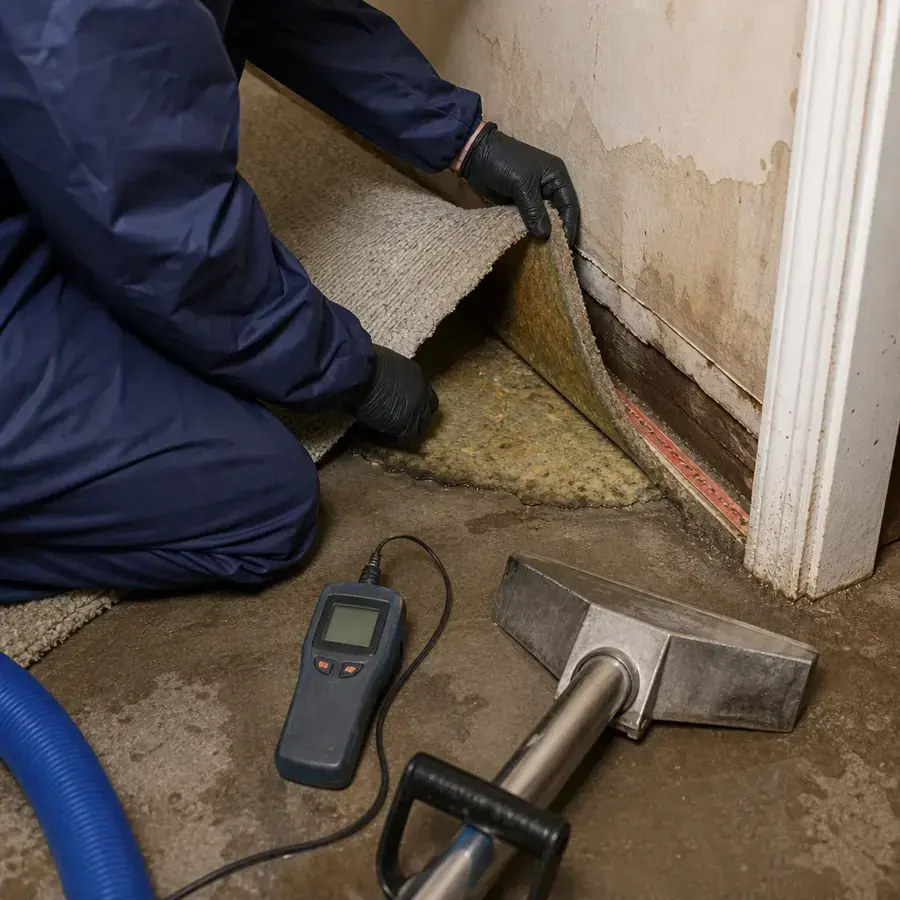
What the local pros handle
Water Damage Restoration Services in La Mesa, CA
Water and sewage only, from emergency extraction to structural drying, across La Mesa and the Grossmont hills.
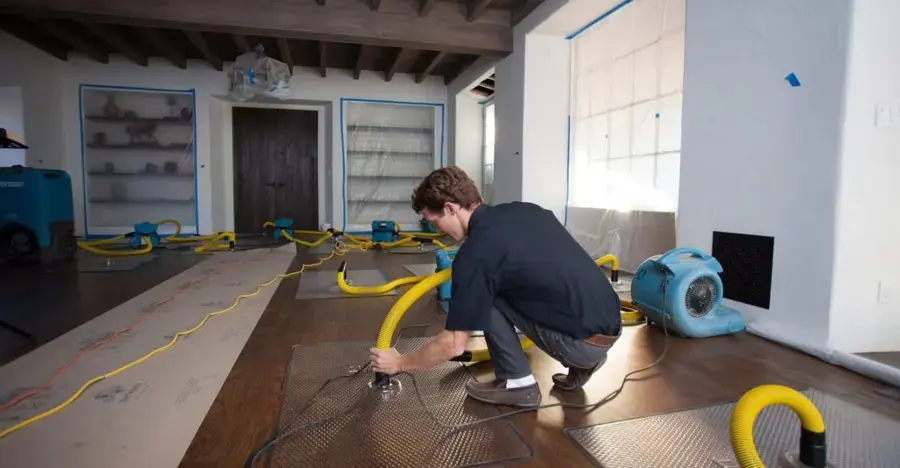 01Water ExtractionTruck-mounted pump-out, the first move on any standing water.
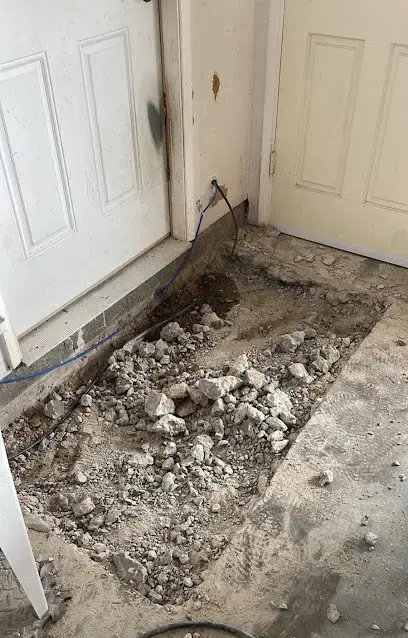 02Slab Leak Water DamageCopper leaks under post-war slabs, traced and dried under the flooring.
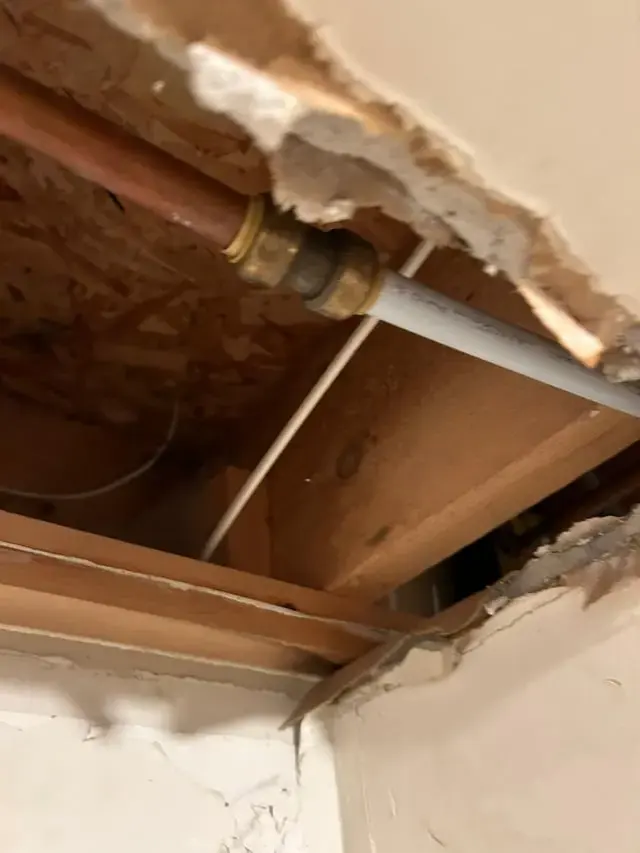 03Burst Pipe CleanupSupply line failures in walls, attics and garages, dried inside the cavity.
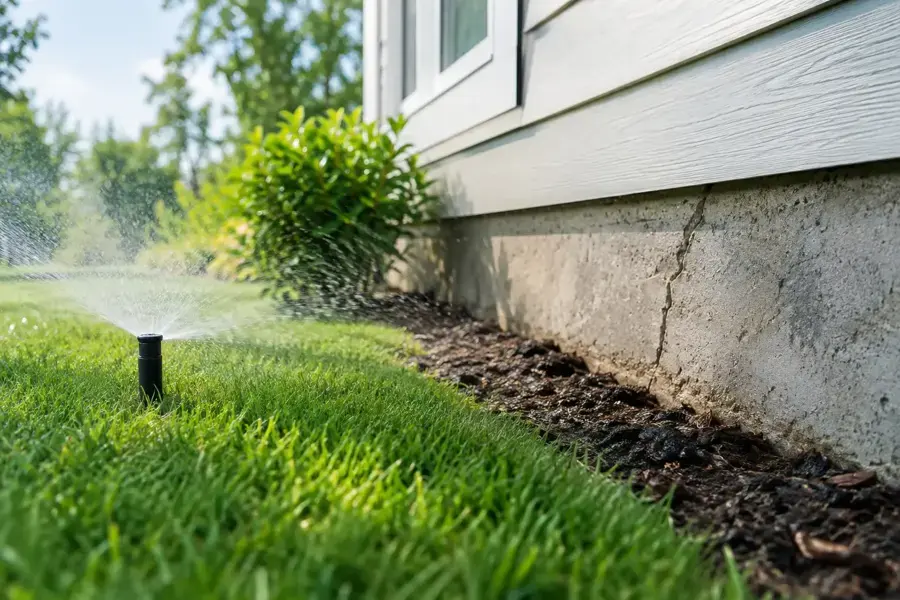 04Irrigation Leak Water DamageHillside sprinkler and yard lines that soak the uphill wall and slab edge.
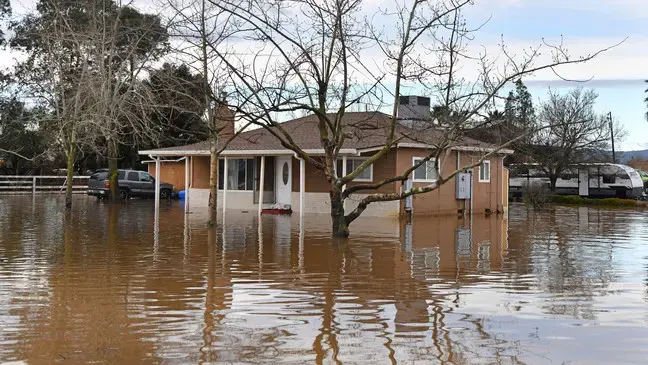 05Storm Flood CleanupWinter runoff and creek flooding, removed and dried as Category 3 water.
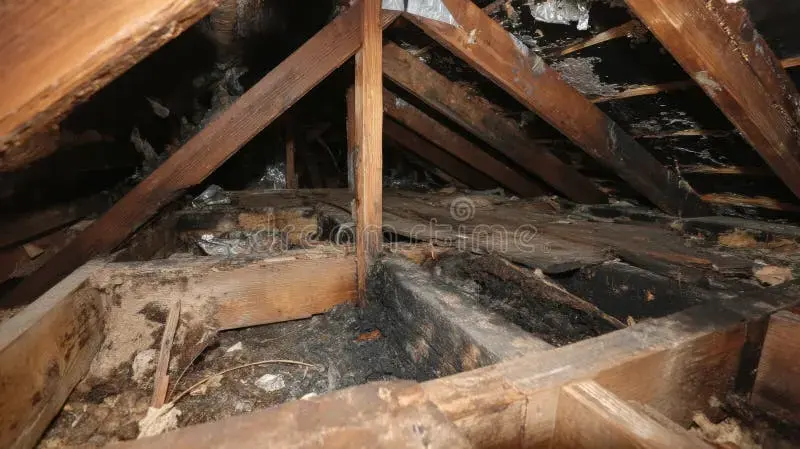 06Roof Leak Water DamageFirst-storm leaks through tile and shingle roofs, dried in the attic.
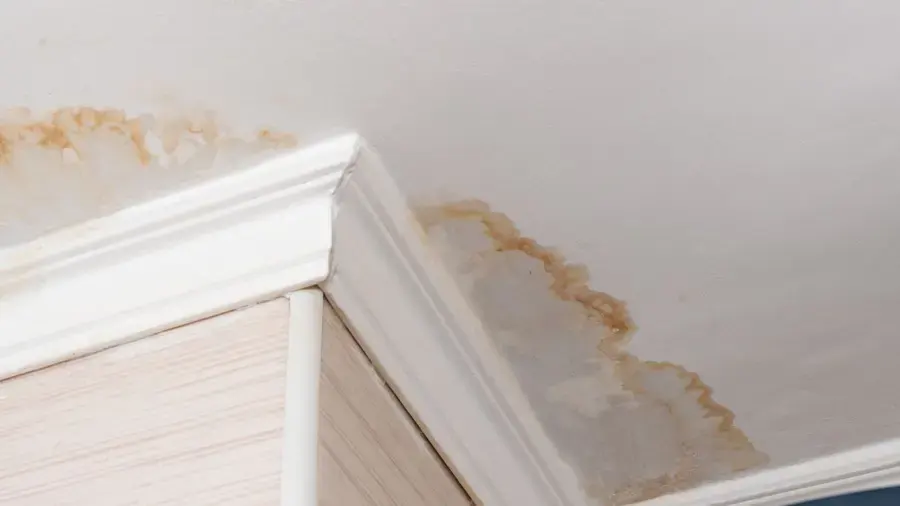 07Ceiling Leak Water DamageBathroom, AC drain and supply leaks from above, traced and dried.
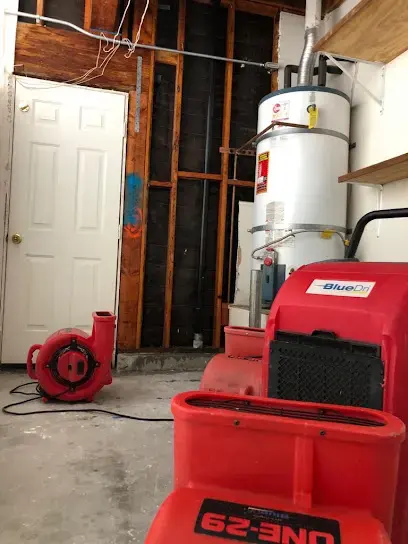 08Water Heater Failure CleanupGarage and closet tank failures, extracted and dried into nearby rooms.
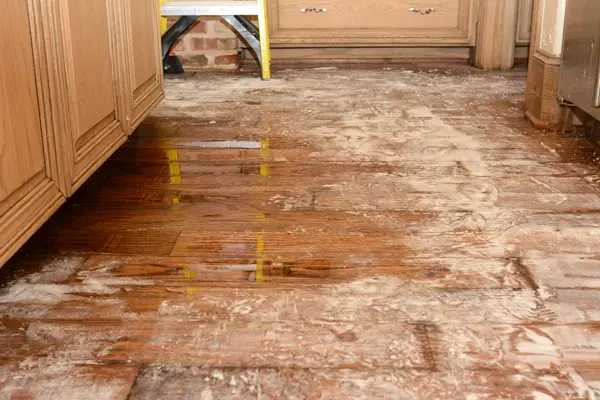 09Appliance Leak CleanupDishwasher, washer and ice maker leaks, dried under cabinets and floors.
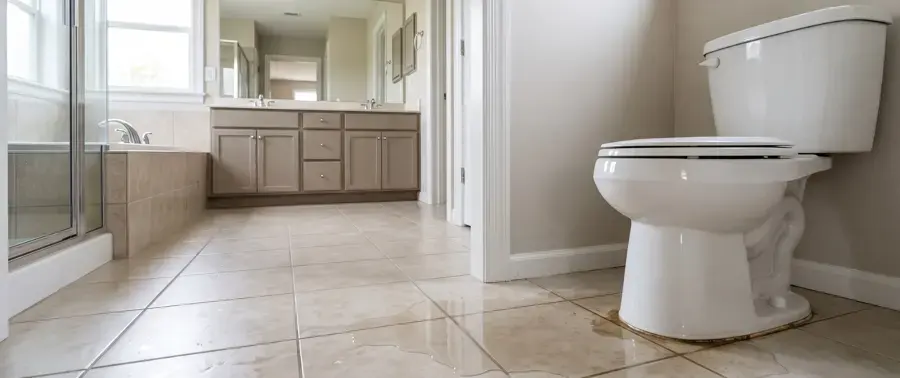 10Toilet Overflow CleanupClean supply leaks and dirty bowl overflows, each handled by category.
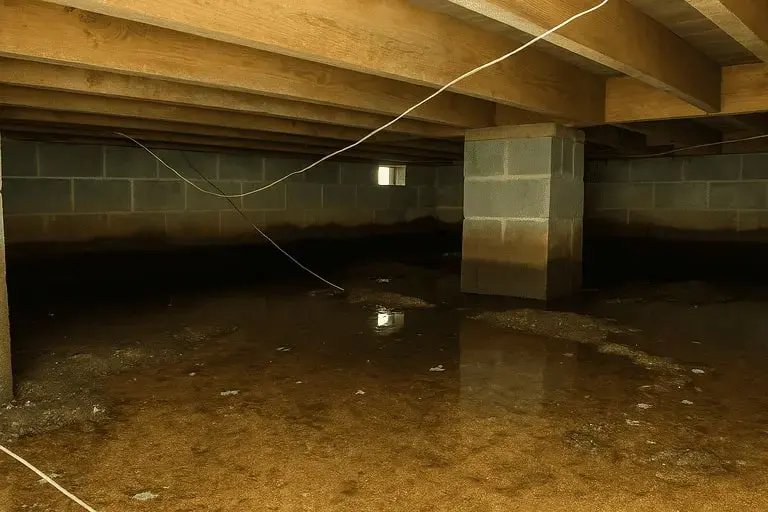 11Crawl Space Water DamageWater under raised-floor homes near the Village, pumped out and dried.
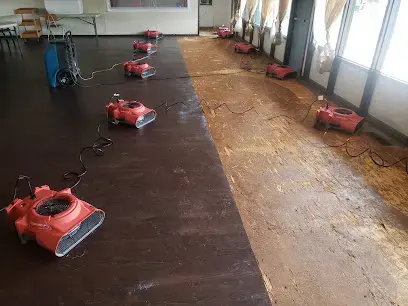 12Structural DryingAir movers, LGR and desiccant drying held to a measured goal.
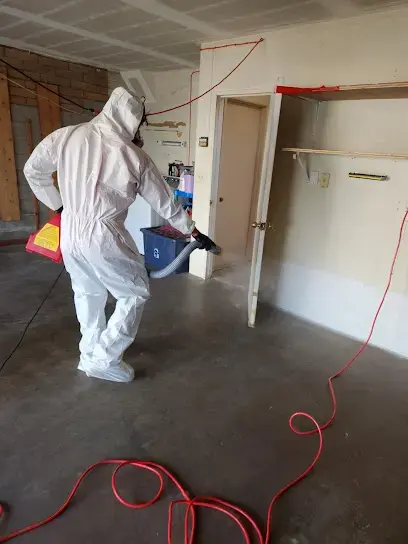 13Sewage Backup CleanupRoot-blocked laterals and drain backups, handled as Category 3.
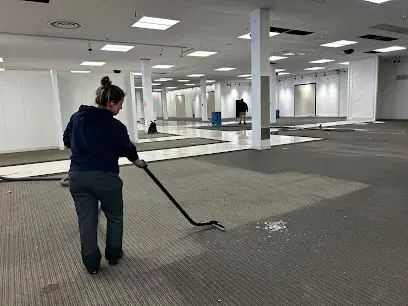 14Commercial Water DamageVillage storefronts, Grossmont offices and medical suites, dried on schedule.
How a water loss is handled
How a water loss is handled in La Mesa
What separates a finished dry-out from a cosmetic one is the order of the work.
- 1
Moisture mapping
The tech who does the walkthrough maps wet materials with thermal imaging and pinless meters before any equipment goes down.
- 2
Extraction
The extraction crew pulls standing water with truck-mounted units, so the water leaves the building.
- 3
Air movers and LGR
The drying team sets air movers and LGR dehumidifiers to each room's evaporation load.
- 4
Daily readings
Most crews record moisture and psychrometric readings every day in a drying log.
- 5
Dry verification
Equipment comes out when wet materials read within 2 to 4 points of a dry reference.
Drying timeline and the drying goal. A contained loss usually dries in three to five days; hardwood, plaster and slab floors take longer. Equipment leaves on readings, not on a schedule.
First 60 minutes
First 60 minutes: what to do right now
Mold can start inside 24 to 48 hours, so the first hour sets up the whole job.
- Shut the water off at the main valve or the fixture stop.
- Kill power to wet circuits, but only if the panel sits in a dry spot.
- Stay out of standing water near outlets, cords and appliances.
- Photograph every wet room before anything is moved.
- Lift rugs and boxes off the floor, then call (888) 450-9281.
Typical cost ranges
What does water damage restoration cost in La Mesa, CA?
In La Mesa, CA, water damage restoration typically runs $800 to $8,000 or more. The price moves with the water category (clean, gray or black), the square footage that got wet, the material class and how fast drying started.
Contained leak
$800 to $2,500
- One room, clean water
- Extraction and air movers
- Three to five days of drying
Spread under floors
$2,500 to $6,000
- Several rooms or a slab leak
- Flooring and baseboards lifted
- LGR dehumidifiers and daily readings
Category 3 or wide loss
$6,000 to $12,000+
- Storm runoff or sewage
- Removal and antimicrobial
- Extended structural drying
These are typical ranges, not a quote. Plan with the water damage cost calculator, or get the drying started today at (888) 450-9281.
Gallery
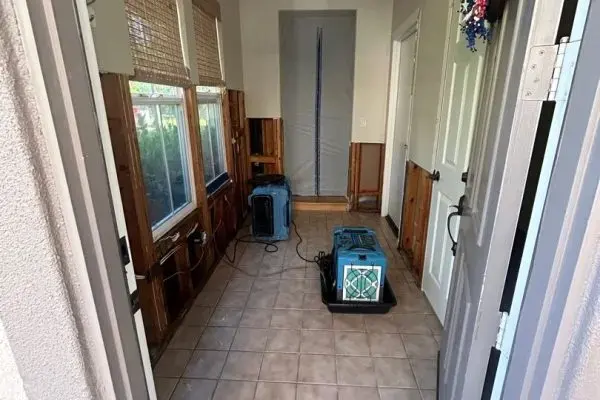
What a water damage dry-out looks like in La Mesa
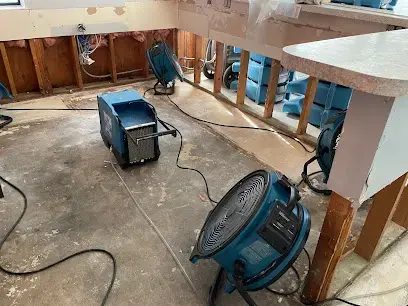
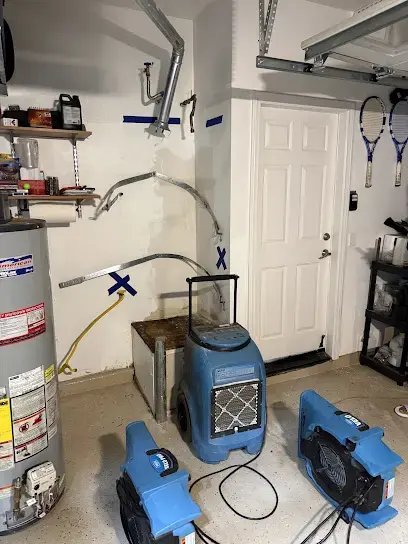
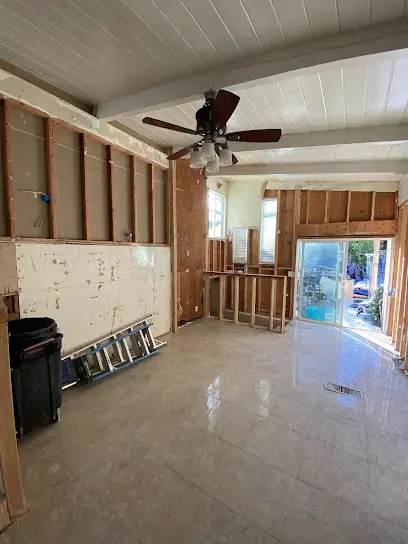
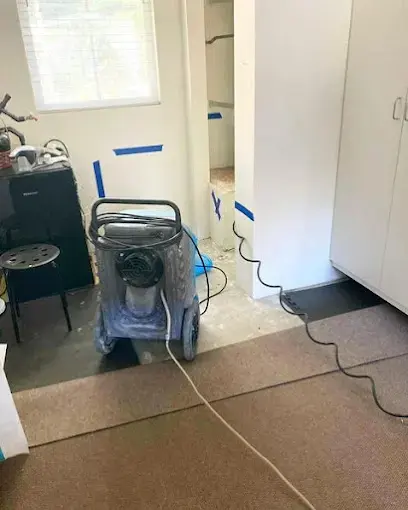
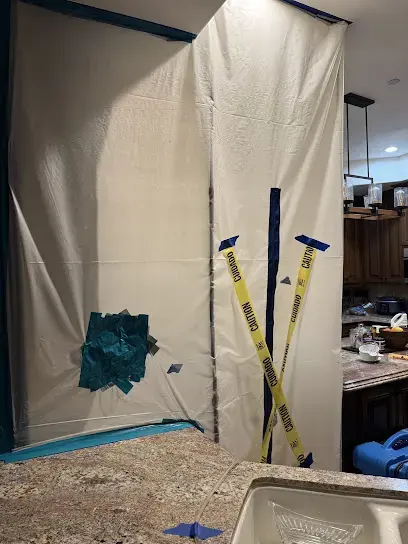
How the dry-out works
Water damage dried to the IICRC S500 standard
IICRC S500 is the industry drying standard. The drying team dries the structure, not just the surface, and Category 1, 2 and 3 water are handled differently from the first reading.
- IICRC S500 drying standard
- Truck-mounted extraction
- Daily moisture readings
- Structural drying, not just surface
Class 1 through 4 sets how much equipment a room needs, and the equipment stays until the readings say dry, not until the room looks dry.
Insurance
Documentation for your insurance claim
A water claim is decided on the file, not on the phone call. A complete file carries:
- The moisture map from day one
- Daily psychrometric and moisture logs
- Timestamped photos taken before any demolition
- The category and class of the loss
Sudden and accidental discharge, like a burst supply line, is treated differently from rising storm water, which falls under flood coverage. Coverage depends on your policy, so it is worth checking with your own insurer.
Water categories
All water damage categories covered in La Mesa, CA
Category 1, clean water
Supply lines, slab leaks, water heaters. Extracted and usually dried in place when caught early.
Category 2, gray water
Dishwashers, washers, irrigation water through soil. Soaked pad and drywall usually come out.
Category 3, black water
Sewage and outside storm water. Porous materials get removed, then surfaces are treated. Sewage backup cleanup
Service area
Water damage restoration across La Mesa and the Grossmont hills
Coverage runs from La Mesa Village and Grossmont to Mount Nebo, Lake Murray and the hills around the city, ZIP codes 91941 to 91944.
Inside La Mesa
- La Mesa Village
- Grossmont
- Mount Nebo
- Windsor Hills
- Eastridge
- Lake Murray
- Northwest La Mesa
Nearby hills and valleys
- Mount Helix
- Casa de Oro
- Fletcher Hills
- Spring Valley
- Lemon Grove
- El Cajon
San Diego edges
- Rolando
- San Diego College Area
- Del Cerro
ZIP codes covered
- 91941
- 91942
- 91943
- 91944
Reach
One call reaches La Mesa water damage pros, 24/7
One call gets a La Mesa restoration pro working on the problem, day or night. Have the cross street, which rooms are wet and what kind of water it is ready; the response team uses those details to plan equipment for the job.
Local conditions
Water damage in La Mesa, CA: the local risk profile
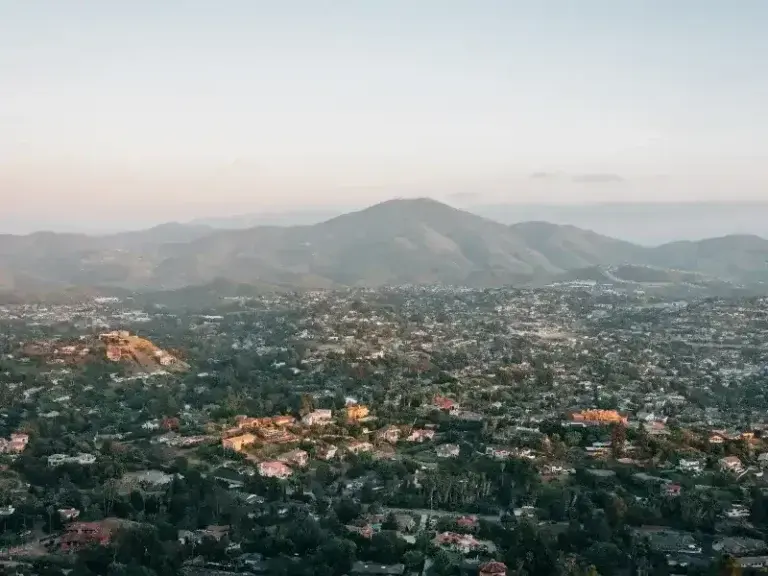
La Mesa's hills, housing era and dry-then-wet climate decide which losses show up most.
- Copper supply lines under 1950s to 1970s ranch-home slabs wear thin and leak under the flooring.
- Irrigation on sloped lots around Mount Nebo, Windsor Hills and Mount Helix soaks the uphill wall.
- Winter storms from December to March shed runoff off dry hillsides and pond along Alvarado Creek.
- Hard water and aging garage water heaters, plus root-blocked clay sewer laterals in older blocks.
Questions
La Mesa water damage questions, answered
What should I do in the first few minutes of a water leak?
Shut off the water at the main valve, turn off breakers for wet rooms if the panel is in a dry spot, keep people off wet floors near outlets, photograph everything before moving it, and lift rugs and boxes off the floor. Then call, because drying works best when it starts early.
How fast can a restoration crew respond in La Mesa?
Emergency water calls are treated as urgent at any hour, including nights and weekends. Exact timing depends on traffic and how many emergencies are running, so it helps to shut off the water and start the first steps right away.
What causes most water damage in La Mesa homes?
Slab leaks in copper lines under 1950s to 1970s ranch homes, hillside irrigation leaks, failing garage water heaters, root-blocked sewer laterals and winter-storm runoff on sloped lots are the most common causes here.
Is water damage covered by homeowners insurance?
A sudden and accidental loss, such as a burst supply line, is often covered after the deductible. Rising surface water from a storm usually falls under flood coverage, and slow leaks or sewer backups may be excluded. Coverage depends on your policy, so it is worth checking with your own insurer.
How long does it take to dry a house after water damage?
A contained Class 1 loss, one room with low-porosity materials, usually dries in three to five days. Hardwood, plaster and concrete slabs take longer. The drying team pulls equipment when readings meet the drying goal, not on a calendar date.
What is the IICRC S500 standard?
IICRC S500 is the industry standard for professional water damage restoration. It covers how water and losses are classified, how drying equipment is set up and how dryness is confirmed with readings before equipment is removed.
When does drywall have to come out?
Drywall comes out when it sags, crumbles, or touched Category 2 or 3 water such as sewage or storm runoff. Firm drywall wet with clean water can often be dried in place through small access holes.
Why is sewage backup handled differently?
Sewage backup is Category 3 the moment it happens. Porous materials it touched are removed rather than dried, containment and HEPA air scrubbers protect the rest of the home, and an EPA-registered antimicrobial goes on cleaned surfaces.
How is the cost of water damage restoration calculated?
Cost depends on the water category, the square footage that got wet, the materials involved, how much has to be removed and how quickly drying started. Most La Mesa losses land between $800 and $8,000.
What is the difference between mitigation and repair?
Mitigation is the emergency phase: extraction, removal of what cannot be saved and drying to the goal. Repair, or rebuild, replaces drywall, flooring and trim after the structure is confirmed dry.
24/7 emergency water damage restoration
Water spreading in a La Mesa home? Start the dry-out now.
The extraction crew pulls the water, the drying team sets the equipment and daily readings go into your claim file.